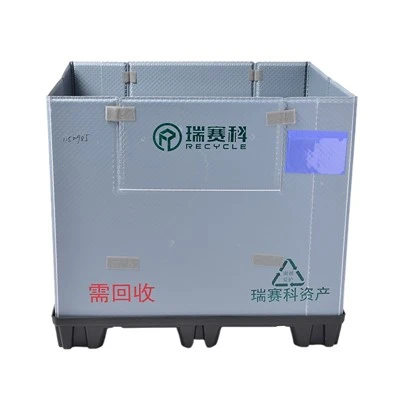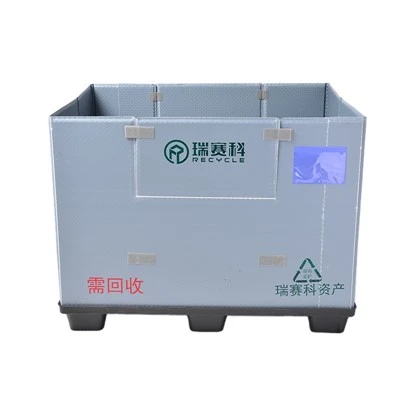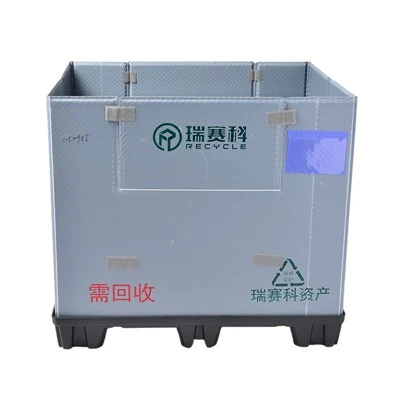
Pallets serve as the most fundamental unit of load consolidation in the logistics industry, moving alongside products as they circulate among manufacturers, logistics providers, retailers, and end-users. They require precise dimensional compatibility with a wide range of elements, including production lines, product packaging, forklifts, racking systems, road and rail transport vehicles, ships, shipping containers, and warehousing facilities. Consequently, pallet standardization constitutes the bedrock of logistics standardization; it directly dictates the pace of standardization across the sector and influences the operating costs of the modern logistics industry. While the global logistics sector has been booming, domestic logistics enterprises in China have also expanded rapidly. However, the lack of standardization for pallets-a foundational component of modern logistics-is bound to hinder the healthy development of Chinese logistics companies in the long run. Although the impact may not be immediately apparent, it will increasingly act as a "bottleneck" as the industry evolves.
Currently, the utilization rate of standardized pallets stands at 95% in Australia, 55% in the United States, 70% in Europe, 35% in Japan, and approximately 27% in South Korea. In the United States and Japan, the pallet sector is a massive industry; governments in these countries have introduced various incentive policies and preferential measures to promote logistics standardization and boost pallet utilization rates. In contrast, China still has a long way to go in increasing the adoption of standardized pallets.