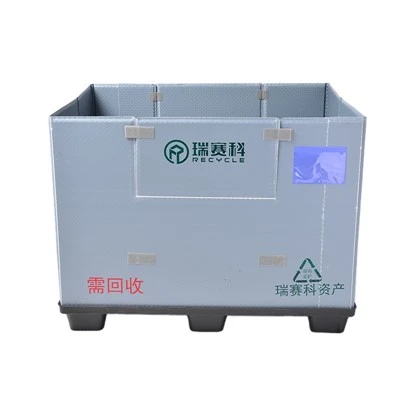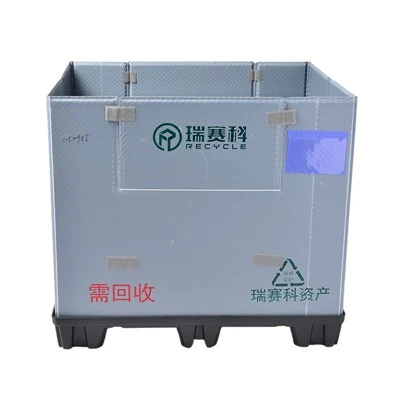
Pallets are directly linked to storage racks, the products being handled, shipping containers, transport vehicles, loading docks, and material handling equipment; consequently, pallet dimensions serve as the baseline for determining the specifications of other logistics equipment. For instance, common beam widths for pallet racking systems are 2300mm and 2700mm; the former accommodates two 1200mm × 1000mm pallets, while the latter accommodates three 1200mm × 800mm pallets. It is particularly worth noting that establishing an effective pallet pooling system requires the use of standardized pallet sizes, as pallet standardization is a prerequisite for seamless, integrated pallet operations. The following factors should be considered when selecting pallet dimensions:
1. Consider the specifications of transport vehicles and equipment
Appropriate pallet dimensions should align with the dimensions of transport vehicles to maximize space utilization, increase load efficiency, and reduce transport costs; particular attention should be paid to the internal dimensions of maritime shipping containers and commercial transport vehicle cargo bodies.
2. Consider the packaging specifications of the goods to be loaded
Select a pallet size that suits the packaging specifications of the cargo, aiming to maximize the utilization of the pallet's surface area while controlling the center of gravity of the loaded goods. Reasonable benchmarks for pallet loading include achieving 80% surface area utilization and ensuring the center of gravity of the load does not exceed two-thirds of the pallet's width.
3. Consider the universality of pallet dimensions
Whenever possible, international standard pallet sizes should be selected to facilitate pallet interchangeability and usage.