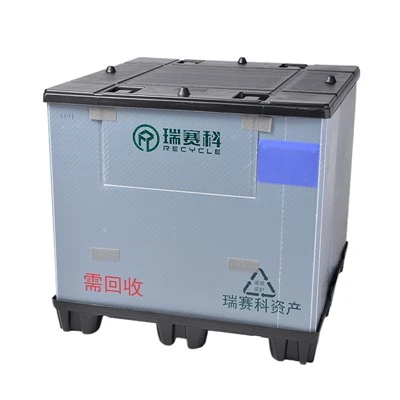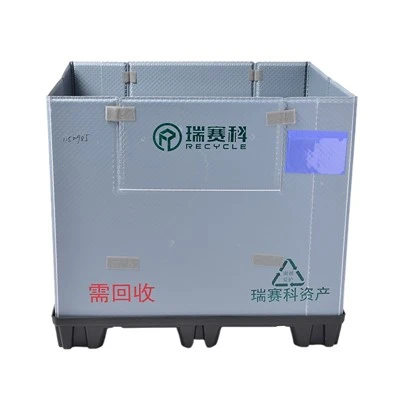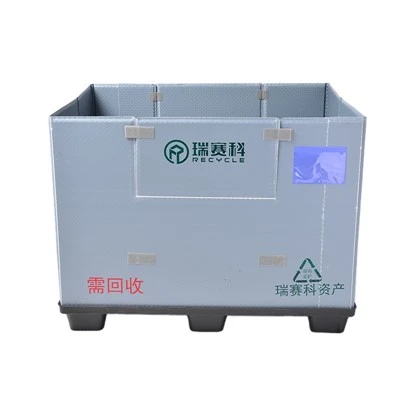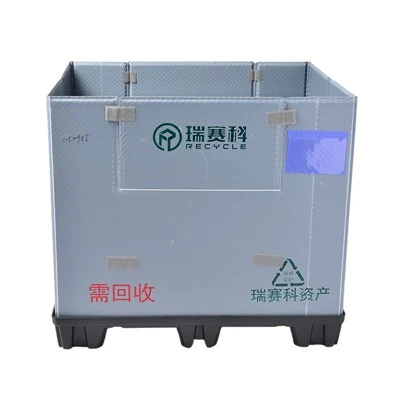
Pallets come in a wide variety of types, categorized by material, intended use, deck configuration, forklift entry method, and structural design. Particularly in settings requiring rapid operations, the high efficiency, safety, and stability of pallet-based handling have driven the development of diverse specialized pallets-such as those designed for flat glass, tires, long items, and oil drums.
Given their vast range of types, broad applicability, and pivotal role in connecting various stages of the supply chain, pallets sit at the heart of efforts to streamline logistics processes-including loading and unloading, storage, transport, and packaging. Although a pallet may seem like a simple piece of equipment, its dimensions serve as the fundamental reference point for determining the sizes of packaging, vehicle cargo compartments, and unitized loads. Aligning the specifications and standardization of packaging, truck bodies, railcars, and shipping containers with pallet dimensions is the most effective way to ensure rationality and efficiency across loading, handling, storage, transport, and packaging operations.