(1) Flat pallets. Flat pallets are virtually synonymous with the term "pallet"; when pallets are mentioned, flat pallets are usually implied due to their wide range of applications, high usage volume, and excellent versatility. Flat pallets can be further categorized into three types:
① Classification by deck type: Includes single-sided, single-sided use, double-sided use, and winged types;
② Classification by forklift entry method: Includes one-way, two-way, and four-way entry types;
③ Classification by material: Includes wooden, steel, plastic, composite material, and paper pallets. According to a 2011 preliminary survey conducted by the Pallet Professional Committee of the China Federation of Logistics and Purchasing among domestic pallet manufacturers, users, and distributors, China's total inventory of pallets across all types is approximately 160 to 200 million units, with an annual production increase of about 20 million units. Of these, wooden flat pallets account for approximately 85%, plastic flat pallets for 12%, and steel, composite, and paper pallets collectively account for 3%. The proportions of composite and plastic pallets are showing significant growth.
(2) Post pallets. Post pallets come in fixed and detachable varieties. Their basic structure features steel posts at the four corners, which can be connected at the top by crossbars to form a frame. The primary functions of post pallets are: first, to use the posts to support heavy loads and enable high stacking; and second, to prevent the load from collapsing during transport, loading, and unloading.
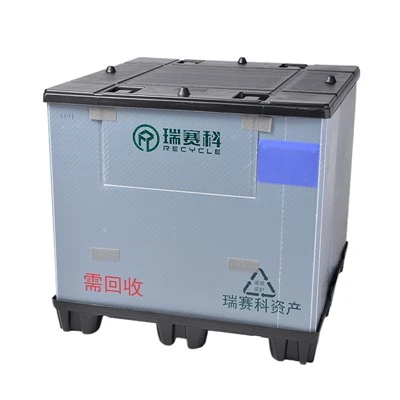
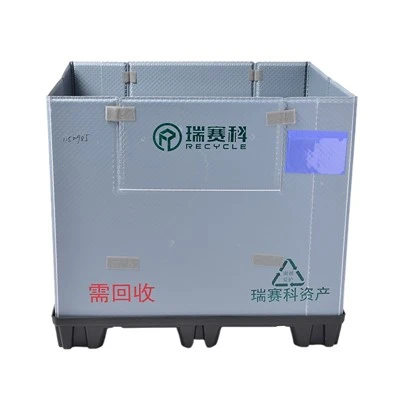
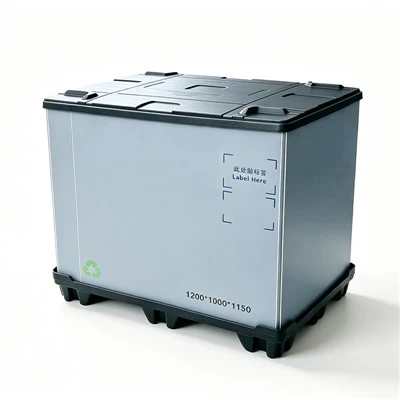
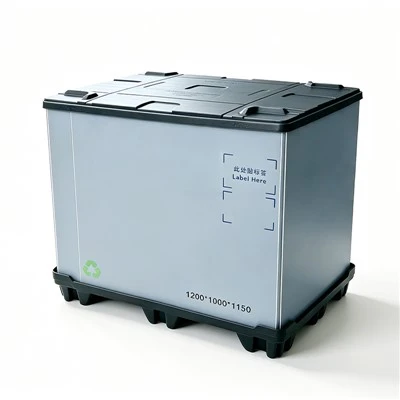
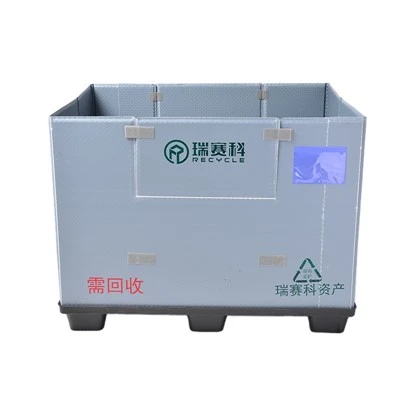
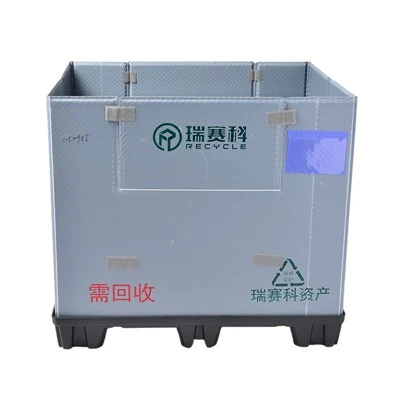
(3) Box pallets. Box pallets are pallets equipped with side panels on all four sides; some feature a top panel, while others do not. The side panels come in three types: fixed, collapsible, and detachable. The surrounding panels can be solid, slatted, or mesh; consequently, box pallets with slatted or mesh sides are also known as cage pallets or warehouse cages. Box-type pallets offer robust protection, preventing stack collapses and cargo damage; they can accommodate irregularly shaped goods that cannot be stacked stably, making them suitable for a wide range of applications.
(4) Wheeled pallets. Compared to post-type and box-type pallets, wheeled pallets feature small wheels at the base. Consequently, they offer advantages such as short-distance mobility, self-transport capabilities, and roll-on/roll-off loading and unloading, making them highly versatile and adaptable.