(1) Helps reduce logistics costs across the economy
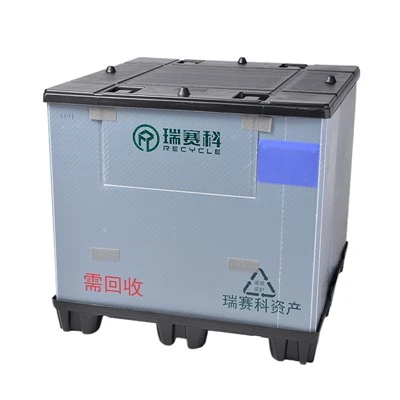
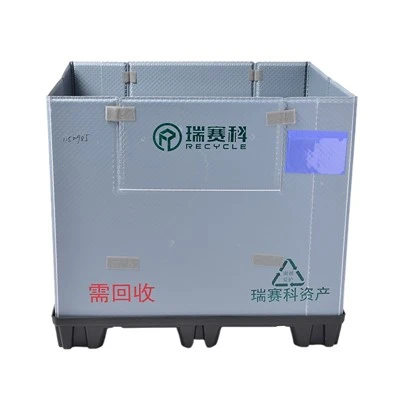
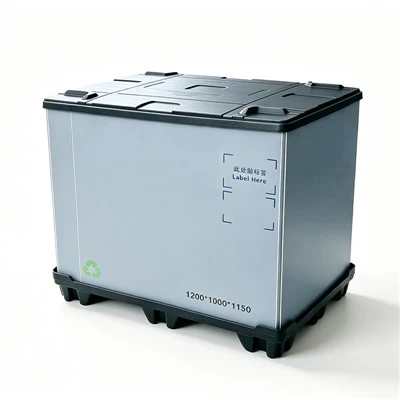
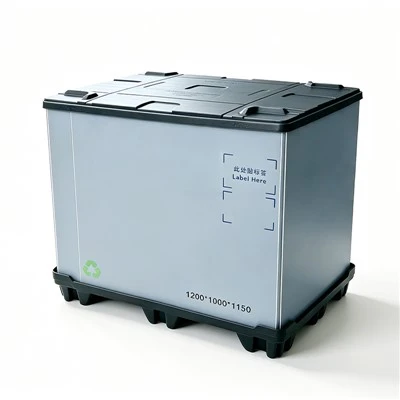
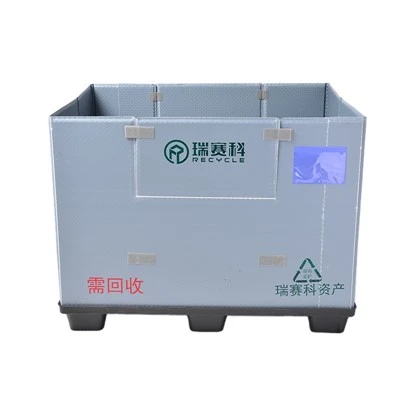
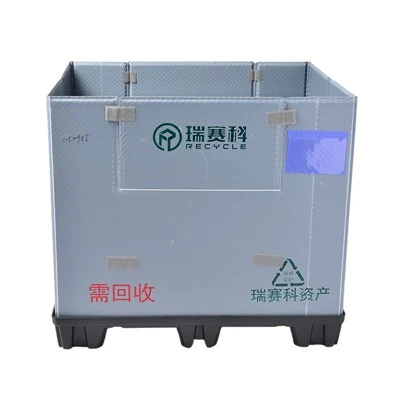
Establishing a pallet-sharing system-which involves leasing, recovering, and facilitating the free exchange of pallets among enterprises-eliminates the need for companies that currently use disposable pallets to invest heavily in purchasing or manufacturing their own. The rental fees are far lower than the cost of disposable pallets, allowing businesses to effectively save on pallet-related expenses.
(2) Helps improve the quality of logistics services
Implementing a pallet-sharing system enables intermodal pallet transport and mechanized handling. This effectively prevents cargo damage caused by manual handling and eliminates counting errors resulting from improper unitization of goods.
(3) Helps conserve economic resources and protect the ecological environment
Currently, the United States possesses approximately 1.5 to 2 billion pallets, and Japan has 700 to 800 million; while China's inventory is smaller, it is growing at an average annual rate of 20 million units. The vast majority are wooden pallets, yet a single mature tree can yield at most six standard pallets. Establishing a pallet-sharing system to promote the circulation of reusable plastic and metal pallets among enterprises would significantly reduce the use of disposable wooden pallets. This would conserve forest resources, protect the environment, and lower the nation's overall economic operating costs.